My municipal policies for Espoo
Espoo should be a city where sustainable growth, a safe everyday life, convenient transport and nearby nature reinforce one another.
I was elected to Espoo City Council on my first attempt in the 2025 municipal elections. These are the themes I campaigned for and now advance as a councillor.
Espoo – a city of sustainable growth and vitality
“I want to make Espoo a more vibrant and attractive city where businesses can grow, innovations become reality and people are inspired to work. A responsible and regenerative economy is not just an environmental measure: it is a prerequisite for lasting success.”
The best place for businesses to grow and succeed
Espoo must be an attractive location for businesses, especially pioneers in green technology and the regenerative economy. That means investment incentives, less bureaucracy, stronger cooperation between research and business, and developing the city's role as a testbed for sustainable business innovation.
A healthy environment and nature are essential to society and a sustainable economy. Economic growth and jobs need not conflict with climate goals. The green transition, regenerative economy and circular economy offer ways to create growth and jobs while mitigating climate change and biodiversity loss.
Market-based solutions can accelerate this economic renewal when the rules are fair and responsible. Businesses have a genuine incentive to seize the transition's opportunities when the operating environment is stable and decisions take a long-term view.
Skills and the startup sector as Espoo's strengths
Strengthening the economy and skills goes hand in hand. Espoo must ensure smooth immigration for skilled workers and educational and employment opportunities for young people.
Finland's startup and technology sector is growing, but domestic ownership is weak. We need to attract Finnish investors to support startups so that companies do not move abroad too early. Espoo must give startups and growth companies practical support for scaling production and bringing new solutions to market.
Investment in education is central: the availability of skilled workers begins with education policy. Educational attainment must rise, and more young people must be able to complete a higher education degree. Students need the stability to study without being forced to drop out because of financial worries, mental health challenges or insecure housing.
Make services more user-centred
Problems in employment services show that municipalities and wellbeing services counties must renew their ways of working. People must not get stuck in bureaucracy, and services must work seamlessly across systems. Public services should be clear, consistent and predictable, serving people efficiently and respectfully. Let us learn from businesses that develop and measure customer experience and make public services genuinely user-centred.
A public sector that accelerates progress rather than slowing it down
The public sector must enable the economy rather than hold it back. Espoo's procurement should focus on quality and long-term benefits instead of the lowest price. At the same time, the city's finances must remain sustainable: taxpayers' money must deliver the greatest possible benefit to residents.
Balancing Espoo's finances requires smoothly functioning services and wise allocation of resources. Under pressure to save, we must improve operations and the effectiveness of services so that available funds deliver the greatest possible benefit to residents. Excessive municipal income tax must not undermine Espoo's competitiveness, and incentives for working people and entrepreneurs deserve particular protection.
The priority is lasting, sustainable decisions, economically, socially and ecologically, that safeguard Espoo's vitality and the wellbeing of current and future residents.
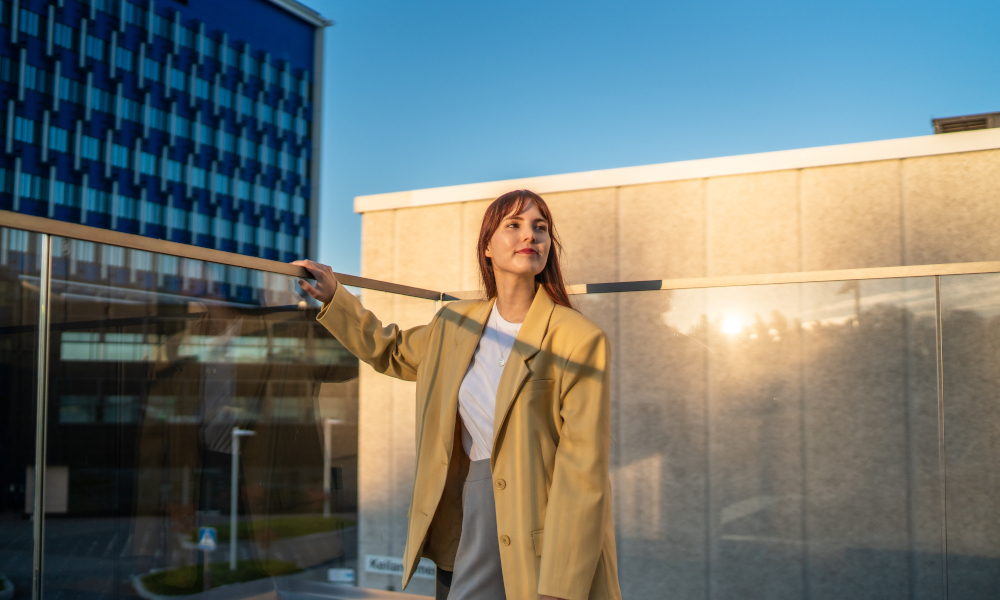
My council priorities for supporting green growth in Espoo:
- Attract new businesses to Espoo and develop regenerative economy clusters that bring green technology companies, research institutions and startups together.
- Support startups in scaling production and commercialising innovations. Espoo can be a testbed for sustainability innovations by providing infrastructure, premises, cooperation opportunities and rapid trials.
- Offer young people and students jobs in municipalities and encourage other employers to hire them, for example through summer job vouchers.
- Make skilled labour migration smoother through simpler bureaucracy and services for families.
- Give greater weight to quality and long-term benefits in procurement, rather than just the lowest price.
- Improve procurement teams' expertise and use enterprise architecture planning in IT projects.
- Publish clear reports on municipal spending so residents know where the money goes.
- Reduce bureaucracy for local entrepreneurs and make planning for business premises easier.
Safety can no longer be taken for granted
“I want Espoo to be a city where everyone can live freely and safely, without harassment, violence or discrimination. Safety means both preparing for crises and ensuring that help is available in everyday life when it is needed.”
Safety requires action
Ensuring safety requires determined action and close cooperation among the city, police, organisations and residents. Crime prevention and safety in both physical and digital environments are central. This means practical action: addressing bullying and exclusion in schools immediately, improving safety on streets and public transport, and making sure city digital services protect residents from scams and security risks.
Espoo must be a city where everyone feels safe, both in everyday life and during crises. To achieve this, it needs a comprehensive security strategy covering daily safety and preparedness for exceptional situations.
Violence must not become normal
Espoo has recently seen serious crimes, particularly incidents involving minors and aggravated robberies. Police have also reported an increase in violence in public places, with victims increasingly unknown to the perpetrators. Drugs and a sense of exclusion are often involved. Early intervention reduces cycles of crime and improves safety. Espoo must respond with determined action.
Social media threatens social peace, children and young people
Social media now provides a platform for misinformation, hate speech and polarisation, threatening democracy and social peace. Unfortunately, it is also too often a place where children and young people face bullying and harassment.
Improve road safety
The large number of private cars poses a constant everyday safety risk. Espoo must invest in more sustainable transport and make public transport more attractive to improve road safety. The growing use of e-scooters without clear rules has also caused serious accidents, particularly among minors.
Strong municipal finances: the backbone of security
Strong municipal finances that anticipate future needs are part of security. Functioning healthcare is literally a matter of life and death. Espoo must ensure accessible, efficient services so residents can feel safe.
Environmental protection is risk prevention
We can already see climate change increasing floods and intensifying heatwaves. Pollution and deteriorating air quality create health risks.
How we can make Espoo safer
- Intervene much faster in school bullying and disruptive behaviour. Give every child showing signs of distress multidisciplinary support.
- Develop clear procedures to tackle cyberbullying, online violence and hate speech in schools, workplaces and public spaces.
- Increase cooperation between police and local communities to prevent crime. Strengthen youth work and efforts to prevent drug use, sales and purchases, reducing violent crime and social exclusion.
- Improve street safety with better lighting in dark areas, stronger security patrols near stations and more camera surveillance in high-risk areas.
- Introduce a municipal programme to prevent sexual harassment, requiring clear procedures and training for schools, educational institutions and youth services. Ensure adequate resources for shelters, crisis services and easily accessible support.
- Ensure municipal digital services meet the highest security standards. Assess vulnerabilities in every critical IT system.
- Develop a climate risk management plan with measures for floods, storms and extreme weather.
- Add green spaces, protect biodiversity and reduce environmental harm through urban planning.
- Reduce road deaths and accidents with better transport planning. Less car traffic improves everyone's safety.
Espoo – a city where you can get around without owning a car
"I want to build an Espoo where getting around simply works: efficiently, without congestion and with the lowest possible emissions."
Sustainable transport simply makes more sense
Espoo's transport has long been developed around private cars. But Espoo is a city, not sparsely populated countryside, and it has every opportunity to develop smarter transport.
We need a city where sustainable travel, walking, cycling and public transport, is the easiest and most appealing option for more people. Prioritising these modes makes Espoo calmer, healthier, more pleasant and better for the climate.
Complete car-free living is not a realistic goal for everyone, but private cars should be used thoughtfully and when necessary. An electric shared car is then the best option, reducing emissions and the need for parking space.
Public transport keeps everyday life moving
Public transport must be an easy and appealing choice. That means speed, reliability and accessibility, but also sensible, user-centred pricing.
Ticket prices should encourage use, not deter it. The current single fare is so high that it does not encourage short journeys by public transport. A subscription, in turn, does not make financial sense for everyone, such as remote workers like me who visit the office only occasionally.
I support pricing models that are simple, fair and based on usage. Public transport should reward its users: the more you use it, the more you benefit.
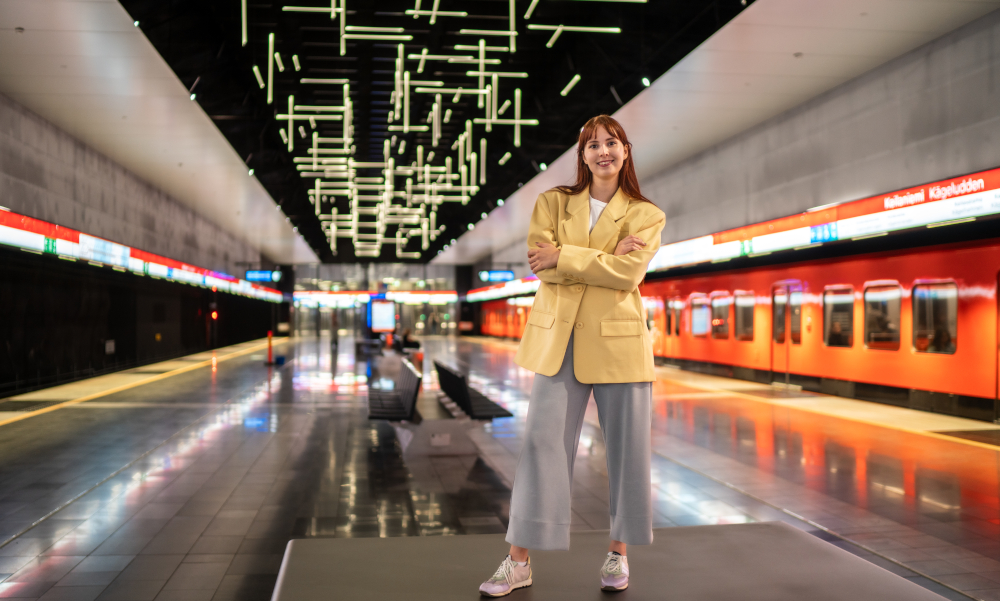
While the West Metro has made everyday life easier for many Espoo residents, cuts to bus routes have made some people's journeys harder. More feeder buses, city bikes and flexible transport options are needed to keep travel time and effort reasonable.
Cycling and walking – everyday transport at its best
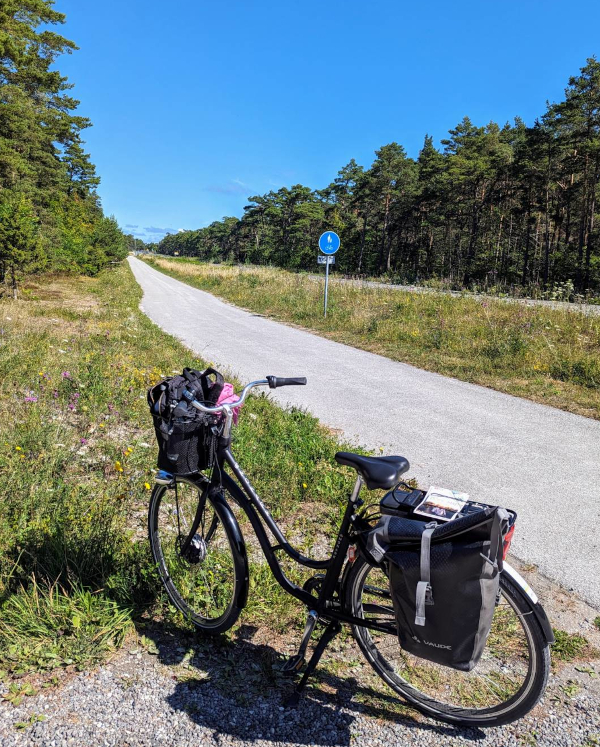
Cycling and walking support environmentally friendly, healthy travel. They make the city more functional and more pleasant.
Espoo has every opportunity to become a cycling city like Copenhagen or Amsterdam, where cycling feels ordinary, convenient and appealing. This requires well-maintained cycle paths throughout the year, a clear and extensive network integrated with public transport, safer bicycle parking and a cultural shift: cycling is perfectly possible outside summer too. It should also be possible to take a bicycle onto other forms of transport.
Well-lit and well-maintained pavements also encourage people to get around actively and must be maintained alongside cycle paths.
E-scooters are part of active and light transport, but need clear rules and defined areas of use. Sensible regulation makes travel safer, especially for young people, children and pets.
Smarter driving
Not everyone can give up a car, and expecting that would be unrealistic. I occasionally drive myself when a journey cannot reasonably be made in another way.
Unlimited growth in private car use is unsustainable in many ways. It causes congestion, noise and air pollution, and takes space badly needed for schools, childcare, parks, housing and green areas. Preliminary figures for 2024 show 2,783 road accidents involving personal injury in Finland, with 176 deaths and 3,437 injuries. Driving is therefore also a safety issue.
Private car use must be reduced gradually by offering better alternatives rather than imposing bans. We need infrastructure that makes sustainable travel easy and appealing: good public transport, an extensive cycle network, walkable routes and car-sharing options.
Driving can also become more sustainable: electric cars reduce emissions and noise, while expanding car sharing reduces the need to own a car. Municipalities' obligation to build charging points should not be removed; charging is basic public infrastructure, just like roads and bus stops. Cooperation between the public and private sectors can create a comprehensive and cost-effective charging network.
Sensible, responsible driving belongs in Espoo's future as part of the whole, but the city must develop transport infrastructure in a more sustainable and economically sound direction.
The transport improvements I am working for in Espoo:
- Maintain cycle paths and pavements throughout the year.
- Add buses and city bikes in areas with weaker connections to services such as the metro.
- Expand Espoo's walking and cycling network.
- Promote long-term investment in rail transport.
- Create incentives in schools and leisure venues for walking, public transport and carpooling.
- Invest in high-quality bicycle parking and combat theft through monitoring.
- Build convenient connections from residential areas to rail services.
- Integrate city bikes into HSL tickets.
- Change HSL ticket pricing to encourage public transport use.
- Promote car sharing and electric vehicles.
- Ban studded tyres.
- Promote further research into self-driving electric buses and their future uses.
Nature as part of the city
Nature is both Espoo's attraction and a condition for its wellbeing: let us protect it. Espoo should develop as a modern city close to nature, with beautiful, pleasant and green neighbourhoods. More woodland and green space, less concrete.
Construction can be done intelligently while respecting landscapes and nature, including in apartment neighbourhoods. Espoo's growth must not come at the expense of valuable nature. New construction should focus on already developed areas and public transport connections.
- Protect nearby nature and valuable natural areas through zoning.
- Add green spaces and community parks in new neighbourhoods.
- Bring housing, transport and nearby nature together as a functioning whole.
- Take the needs of pets and wildlife into account in urban planning.